
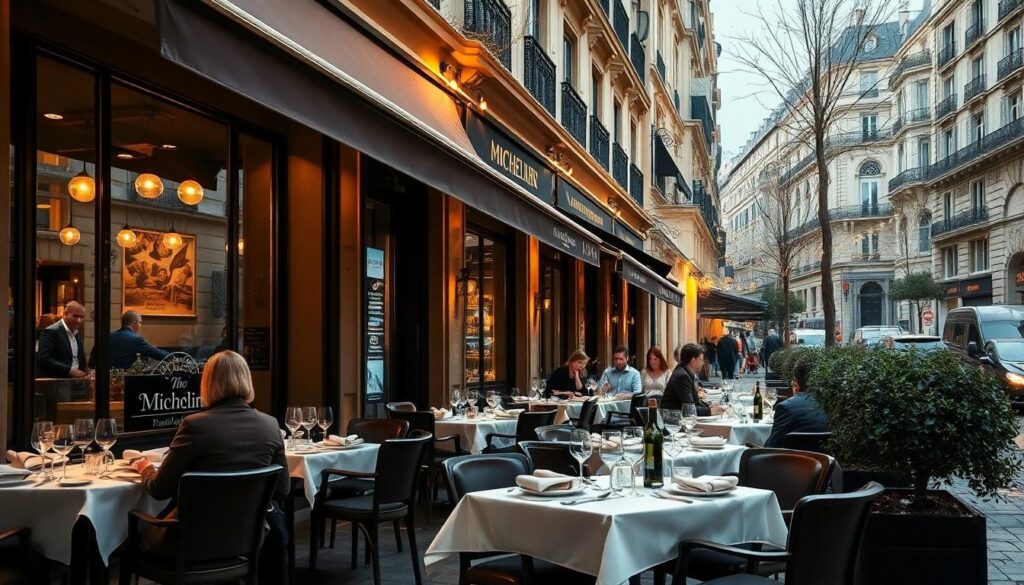
Paris isn’t just the city of love; it’s a culinary paradise where Michelin stars twinkle brighter than the Eiffel Tower at night. Imagine sinking your teeth into a dish so exquisite it could make even a food critic weep with joy. From charming bistros to opulent dining rooms, Michelin-starred restaurants in Paris promise an unforgettable gastronomic adventure that’ll have taste buds dancing and wallets trembling.
Whether you’re a seasoned foodie or just someone looking to impress on a date, these culinary gems offer experiences that go beyond mere meals. Each plate tells a story, blending tradition with innovation in a way that’ll leave diners wondering if they’ve just tasted heaven. So grab a fork and prepare for a delicious journey through the streets of Paris, where every bite is a step closer to culinary nirvana.
Overview of Michelin Star Restaurants in Paris
Paris hosts a diverse array of Michelin star restaurants, each showcasing culinary excellence. These establishments blend traditional French cuisine with innovative techniques, providing unique dining experiences. Fine dining options span various cuisines, catering to different preferences and budgets while maintaining high standards.
Guided by the prestigious Michelin rating system, many chefs excel in creating visually stunning and flavorful dishes. Each restaurant receives one to three stars based on quality, skill, and creativity. One star denotes a very good restaurant, two stars signify excellent cooking, and three stars represent exceptional cuisine worth a special journey.
The city boasts over 100 Michelin star restaurants, establishing Paris as a key destination for food enthusiasts. Renowned chefs, such as Alain Ducasse and Yannick Alléno, lead establishments with distinctive styles. Many diners seek out Michelin-starred venues for special occasions, enhancing the overall experience.
Recent Michelin guides reflect the gradual rise of bistronomy, a term combining bistro culture with gastronomic aspirations. This trend encourages informal dining while elevating food quality. Exploring these eateries offers insights into Paris’s culinary evolution, merging comfort with sophistication.
As visitors navigate the city’s culinary landscape, a wealth of options awaits. Iconic neighborhoods like Le Marais and Saint-Germain-des-Prés feature acclaimed restaurants, blending vibrant atmospheres with exquisite tastes. Travelers find themselves immersed in a rich gastronomic culture, where every meal unfolds a new story.
History of Michelin Stars

The Michelin star system has a rich background, deeply intertwined with the culinary history of France.
Origin of the Michelin Guide
Founded in 1900, the Michelin Guide initially aimed to encourage automobile travel in France. Brothers Édouard and André Michelin created the guide to promote their tire company. Travelers received useful information such as maps, sights, and places to eat. In 1926, the guide began featuring restaurant recommendations, marking the start of its culinary journey. By 1931, the Michelin star system was officially introduced, establishing a formal rating system for exceptional dining experiences.
Evolution of Michelin Star Ratings
Over the years, the Michelin star ratings evolved to reflect changing culinary standards. A single star signifies a “very good restaurant in its category.” Two stars indicate “excellent cooking that’s worth a detour.” Three stars represent “exceptional cuisine that justifies a special journey.” The guide undergoes annual reviews, ensuring that the ratings remain current and relevant. Alongside traditional dining, it now acknowledges innovative concepts, like bistronomy, allowing the culinary scene to flourish in diverse directions. Michelin’s ongoing commitment to documenting culinary excellence highlights its influence on global gastronomy.
Notable Michelin Star Restaurants in Paris
Paris boasts a remarkable selection of Michelin-starred restaurants offering unforgettable dining experiences. Visitors can discover a blend of culinary artistry, tradition, and innovation that represents the heart of Parisian cuisine.
Fine Dining Experiences
Renowned establishments feature exquisite tasting menus crafted by world-class chefs. Le Meurice, led by Alain Ducasse, presents a sophisticated take on French cuisine with dishes that highlight seasonal ingredients. L’Arpège emphasizes vegetable-driven creations, showcasing produce sourced from the chef’s own gardens. Epicure at Le Bristol offers a luxurious ambiance paired with exceptional service and three-star dishes that promise a memorable meal. These fine dining options create an environment where culinary excellence meets artistry, making every visit extraordinary.
Casual Dining Options
Bistronomy has transformed the casual dining landscape in Paris, blending traditional bistro fare with creative culinary flair. Places like Chez Janou serve authentic Provençal cuisine in a warm, inviting atmosphere. Le Comptoir de la Gastronomie allows diners to savor artisanal dishes while enjoying a relaxed vibe. Higher-end casual spots such as Frenchie offer thoughtfully crafted menus without the formalities of fine dining. These establishments provide gastronomic delights in a more approachable setting, ensuring that high-quality cuisine remains accessible to everyone.
Criteria for Michelin Star Ratings
Michelin star ratings reflect a restaurant’s quality, skill, and creativity. Assessors evaluate several criteria that influence a restaurant’s ranking, including the quality of ingredients, mastery of cooking techniques, and harmony of flavors. Each element significantly contributes to the overall dining experience.
Consistency across multiple visits plays a crucial role. Achieving consistently high performance ensures that patrons enjoy the same exceptional quality every time they dine. Presentation of dishes also matters; visually appealing plates enhance the overall experience.
Creativity in menu design can set a restaurant apart, showcasing innovative takes on traditional dishes. Service quality contributes to the dining experience, where attentive, knowledgeable staff can elevate one’s meal. Cleanliness and comfort of the dining environment further enhance guest satisfaction.
Michelin inspectors rely on anonymous visits to maintain impartiality. The guides are updated annually, ensuring that newly recognized restaurants and evolving culinary scenes are included. One star represents a very good restaurant, while two stars indicate excellent cooking worth a detour. Three stars signify exceptional cuisine deemed worthy of a special journey.
Transparency in the rating process adds credibility to the Michelin Guide. Awards are based on cumulative assessments rather than single visits, reinforcing the importance of consistent excellence. Ratings also consider the influence of chefs, whose unique styles and signature dishes may contribute to a restaurant’s appeal.
Overall, the Michelin star system remains a prestigious benchmark for quality dining, reflecting the dynamic evolution of the restaurant industry in Paris.
Exploring Michelin-starred restaurants in Paris offers a unique glimpse into the heart of culinary artistry. Each meal tells a story that blends tradition with modern innovation. Whether dining at a luxurious establishment or a charming bistro, the experience is bound to leave a lasting impression.
Food enthusiasts will find endless opportunities to indulge their palates while enjoying the vibrant atmosphere of the city. With renowned chefs pushing the boundaries of flavor and presentation, Paris remains a culinary capital that continually inspires and delights. A visit to these Michelin-starred gems promises not just a meal but a memorable journey through the flavors of France.


