

In the bustling world of dining, restaurant kiosks are the unsung heroes—like the ninjas of the food service industry. They swoop in to save the day, making ordering as easy as pie (and who doesn’t love pie?). With a few taps on a screen, patrons can customize their meals, skip the line, and even avoid awkward small talk with the cashier.
What Is a Restaurant Kiosk?
A restaurant kiosk is a self-service ordering system that enhances customer convenience. These digital interfaces allow patrons to select and customize their meals without assistance. By utilizing a touchscreen or tablet, diners can navigate menus, view specials, and add items with ease.
Customers benefit from reduced wait times as kiosks streamline the ordering process. They bypass lengthy queues typically found at traditional counters. Interaction with cashiers is minimized, making the experience more comfortable for those who prefer a solitary ordering method.
Kiosks also integrate payment systems, allowing patrons to complete transactions on the spot. This innovation increases order accuracy by eliminating potential miscommunication with staff. Restaurants adopt kiosks to manage high volumes of orders efficiently, especially during peak hours.
These systems are customizable to reflect a restaurant’s branding and menu offerings. They can display nutrition information and suggest pairings, further enhancing the dining experience. Advanced kiosks even analyze customer preferences, facilitating personalized marketing opportunities.
Overall, the rise of restaurant kiosks signifies a shift towards automation in the food service sector. Restaurants implement these systems not only to improve customer satisfaction but also to optimize operational efficiency. In a continuously evolving industry, utilizing kiosks represents a strategic adaptation to changing consumer preferences.
Benefits of Restaurant Kiosks
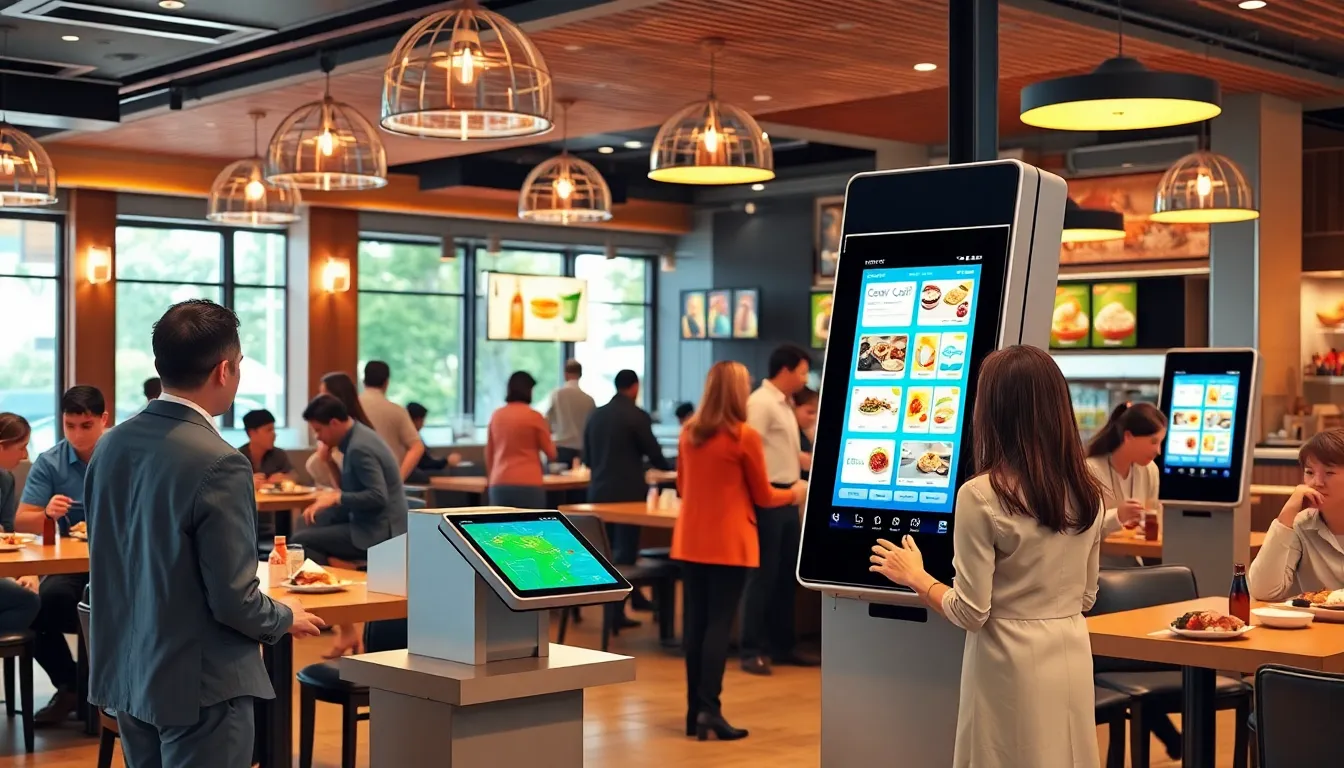
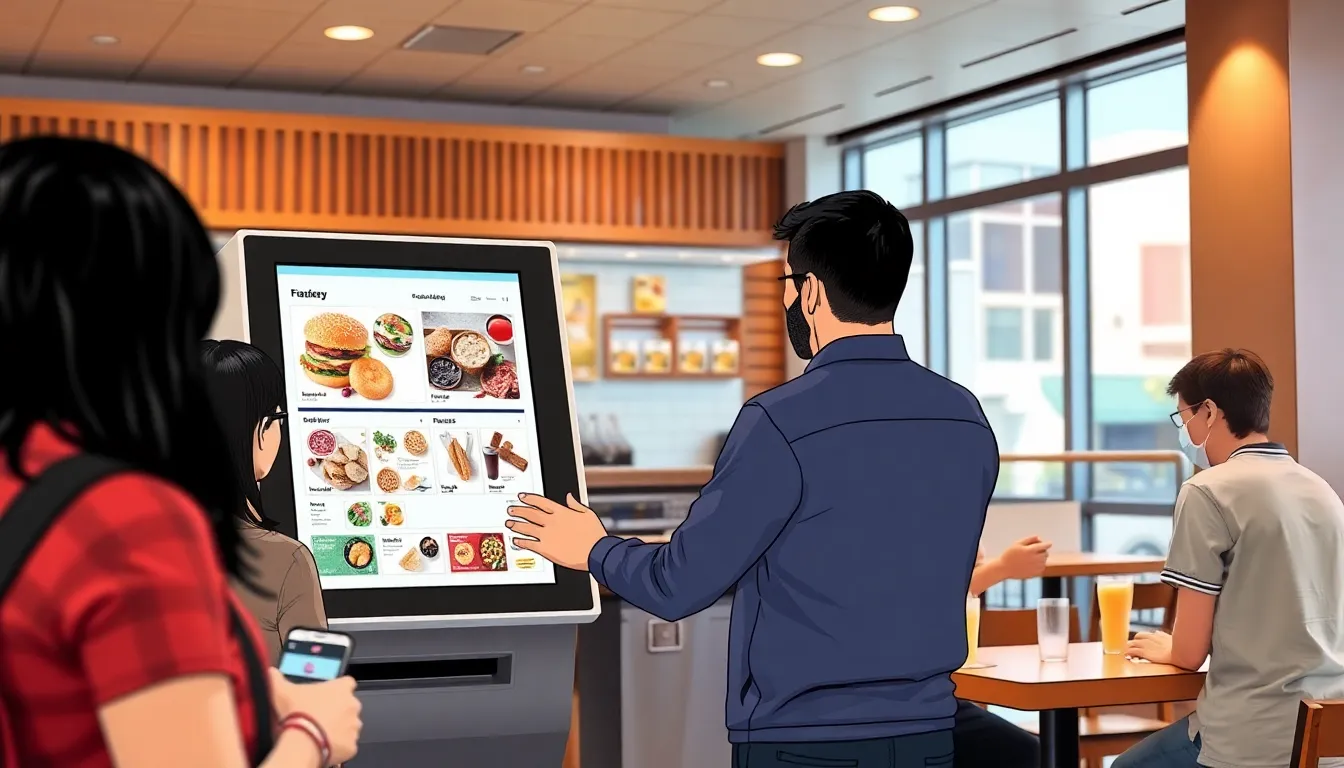
Restaurant kiosks provide significant advantages for patrons and establishments alike. Customers enjoy streamlined ordering processes and enhanced meal customization options.
Improved Customer Experience
Self-service kiosks elevate the customer experience by offering increased autonomy during the ordering process. Users can customize their meals easily using intuitive touchscreens. This level of control mitigates the discomfort some might feel in traditional cashier interactions. Quick access to the menu and nutritional information aids decision-making. These elements combine to create a more pleasant and efficient dining experience.
Increased Efficiency
Kiosks contribute to increased operational efficiency within restaurants. They facilitate faster order processing, allowing staff to focus on food preparation and service. Reduced reliance on customer interactions decreases the chances of order errors. This streamlined approach handles high volumes of orders, especially during peak hours, effectively. Many establishments report shorter wait times and improved order accuracy after implementing kiosks. Automating the ordering process signals a significant shift toward operational optimization in the food service industry.
Types of Restaurant Kiosks
Restaurant kiosks come in various forms, each catering to specific functions and enhancing the customer experience in unique ways.
Self-Ordering Kiosks
Self-ordering kiosks empower customers to take control of their dining experience. These interactive systems let patrons browse menus, customize meals, and review nutritional information before placing their orders. By minimizing reliance on staff, self-ordering kiosks significantly reduce wait times and enhance order accuracy. Many systems also include promotional suggestions, helping restaurants increase sales and improve customer satisfaction. With touchscreens designed for user-friendly navigation, these kiosks redefine convenience in the dining process.
Payment Kiosks
Payment kiosks facilitate secure and efficient transactions. These systems enable customers to complete payments independently, reducing queues at checkout and streamlining the entire process. Many kiosks accept various payment methods, including credit cards and mobile wallets, accommodating diverse customer preferences. Staff can focus on other essential tasks as payment kiosks handle transactions swiftly. Moreover, integrating loyalty programs into these kiosks encourages repeat business and enhances customer engagement. Overall, payment kiosks play a vital role in enhancing operational efficiency for restaurants.
Implementing a Restaurant Kiosk
Implementing a restaurant kiosk involves careful planning and execution to ensure optimal performance and customer satisfaction.
Choosing the Right Technology
Selecting the right technology is critical for kiosk success. Businesses must consider user-friendly interfaces that allow for easy navigation. Kiosks should integrate with existing POS systems to streamline operations and maintain accurate sales tracking. Hardware quality is also important for durability in high-traffic environments. Touchscreen size impacts user experience; larger screens facilitate clearer interactions. Security features protect customer data, preserving trust. Choosing a reputable provider ensures ongoing support and updates, further enhancing kiosk functionality.
Staff Training and Adaptation
Training staff to adapt to kiosk implementation requires a structured approach. Initial training sessions should cover kiosk operation and troubleshooting, ensuring employees feel confident assisting customers. Role-playing scenarios help staff practice interacting with patrons who may have questions or need guidance. Continuous education on new features keeps everyone informed of updates or improvements. Encouraging team members to embrace the technology fosters a positive atmosphere. Regular feedback sessions provide insights into customer experiences, helping to refine interactions and enhance service quality.
Restaurant kiosks are transforming the dining landscape by offering a seamless and efficient ordering experience. They empower customers to customize their meals and make informed choices while reducing wait times. This shift towards automation not only enhances customer satisfaction but also streamlines restaurant operations.
As establishments continue to embrace this technology, the focus on user-friendly interfaces and staff training will be crucial for maximizing benefits. With the right implementation, kiosks can create a more enjoyable dining experience while driving operational efficiency, ultimately positioning restaurants for success in an increasingly competitive market.


